Opéra royal - Maladain Ballet Biarritz - L'AMOUR SORCIER & DON QUICHOTTE
Saturday 05 June 2027
from 19:00 to 20:00
Sunday 06 June 2027
from 15:00 to 16:00
Location : Opéra Royal
Photos
Photos
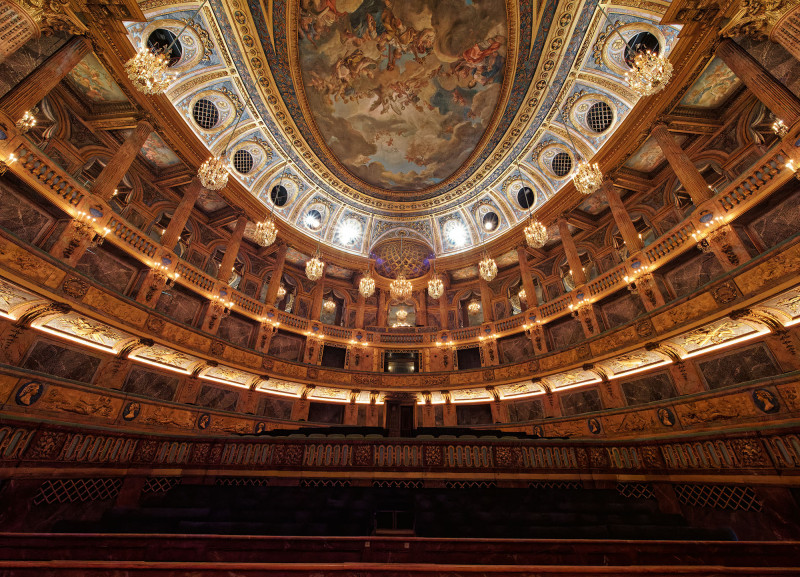
Presentation
Come and enjoy a double bill of ballet: *L'Amour Sorcier*, a love story set against a backdrop of ancient rituals, and *Don Quixote*, based on the novel by Miguel de Cervantes, about a knight on a quest to vanquish evil.
By linking the world of the dead ...
See morePrices
| Prices | Min | Max | |
|---|---|---|---|
| 05/06/2027 - 06/06/2027 | |||
| Full price | 45.00€ | 166.00€ |  Catégorie 3: 45? à 53?
Tarif Plein 53?
Tarif moins de 26 ans 45?
Tarif Opéra Expérience 45?
Catégorie 2: 65? à 77?
Tarif Plein 77?
Tarif moins de 26 ans 65?
Tarif Opéra Expérience 65?
Catégorie 1: 92? à 107?
Tarif Plein 107?
Tarif moins de 26 ans 92?
Tarif Opéra Expérience 92?
Prestige: 121? à 139?
Tarif Plein 139?
Tarif moins de 26 ans 121?
Tarif Opéra Expérience 121?
Prestige VIP 166?
Tarif Plein 166? Catégorie 3: 45? à 53?
Tarif Plein 53?
Tarif moins de 26 ans 45?
Tarif Opéra Expérience 45?
Catégorie 2: 65? à 77?
Tarif Plein 77?
Tarif moins de 26 ans 65?
Tarif Opéra Expérience 65?
Catégorie 1: 92? à 107?
Tarif Plein 107?
Tarif moins de 26 ans 92?
Tarif Opéra Expérience 92?
Prestige: 121? à 139?
Tarif Plein 139?
Tarif moins de 26 ans 121?
Tarif Opéra Expérience 121?
Prestige VIP 166?
Tarif Plein 166? |
The ticket office team is available by telephone on 01 30 83 78 89 (Monday to Friday, 11.00–18.00) or in person at the ticket office and shop (3 bis rue des Réservoirs, 78000 Versailles; Monday to Friday from 11.00 to 18.00, and on Saturdays when there are performances (excluding the Grandes Eaux Musicales) from 14.00 to 17.00).
Destination
3 place Léon Gambetta
78000
Versailles
GPS coordinates
Latitude : 48.805956
Longitude : 2.122701
HOW TO GET THERE BY CAR
A13 motorway: Versailles Notre-Dame exit
Motorway 186: exit Versailles Centre
Free Place d'Armes car park from 7pm
BY PUBLIC TRANSPORT
Train station: Montparnasse > Gare Versailles Chantiers
Dir. Dreux, Mantes-la-Jolie, Rambouillet
Station : St. Lazare > Versailles Rive Droite station
Direction Rive Droite
RER : C > Versailles Rive Gauche - Château station
Bus : Versailles Château (Line 171)
A13 motorway: Versailles Notre-Dame exit
Motorway 186: exit Versailles Centre
Free Place d'Armes car park from 7pm
BY PUBLIC TRANSPORT
Train station: Montparnasse > Gare Versailles Chantiers
Dir. Dreux, Mantes-la-Jolie, Rambouillet
Station : St. Lazare > Versailles Rive Droite station
Direction Rive Droite
RER : C > Versailles Rive Gauche - Château station
Bus : Versailles Château (Line 171)
Contact
Château de Versailles Spectacles
Location
Opéra Royal
3 place Léon Gambetta
78000
Versailles